
It Starts
Moisture Moves In
Bare dirt and open vents let damp air and groundwater into the crawl space. Humidity climbs, and standing water can pool after every hard rain.


Bare dirt and open vents let damp air and groundwater into the crawl space. Humidity climbs, and standing water can pool after every hard rain.
Damp wood swells and starts to rot. Mold spreads on joists and subfloor. Musty air rises into your living space, so the rooms upstairs smell stale.
Soft, rotting joists let floors sag and bounce. Bills go up as your HVAC fights the damp air. Pests and termites move into the wet, hidden space.
We remove standing water, treat mold and rot, and fix drainage. Then we line the space with a vapor barrier and add a dehumidifier to keep it dry and healthy for years.
Pooling water sits on the dirt and never fully dries. It feeds mold, rusts metal, and rots wood over time. We remove the water, fix the drainage, and add a sump pump so it stays dry for good.
Learn about water removal →Bare dirt and vents let moisture soak the space all year. That damp air drifts up into your home and makes it muggy. We seal it with a vapor barrier and add a dehumidifier to keep the air dry.
Get a free inspection →Mold loves a damp crawl space. Left alone, it spreads to joists and subfloors and weakens the wood. We treat the mold, dry the space, and seal it so it does not come back.
See our mold removal →That stale, earthy odor in your home often starts below your feet. Most of your downstairs air comes up from the crawl space. We seal and dry it so the air upstairs smells fresh and clean.
Book your inspection →When joists soak up moisture they soften and bend. Then your floors feel springy or start to dip. We dry the wood and add support posts to lift and steady the floors above.
Get a free quote →Mice, bugs, and other pests love a dark, damp crawl space. A sealed space gives them nowhere to hide and nothing to chew. We close the gaps and lay a clean vapor barrier to keep them out.
Pair it with waterproofing →We start with a free, no-pressure inspection. We check for standing water, high humidity, mold, wood rot, and sagging floors. Then we map the problems and explain what we found in plain English.
Before any barrier goes down, we clear out debris, old insulation, and any standing water. We treat mold and rot so it doesn't spread. A clean, dry base is what makes a lasting seal possible.
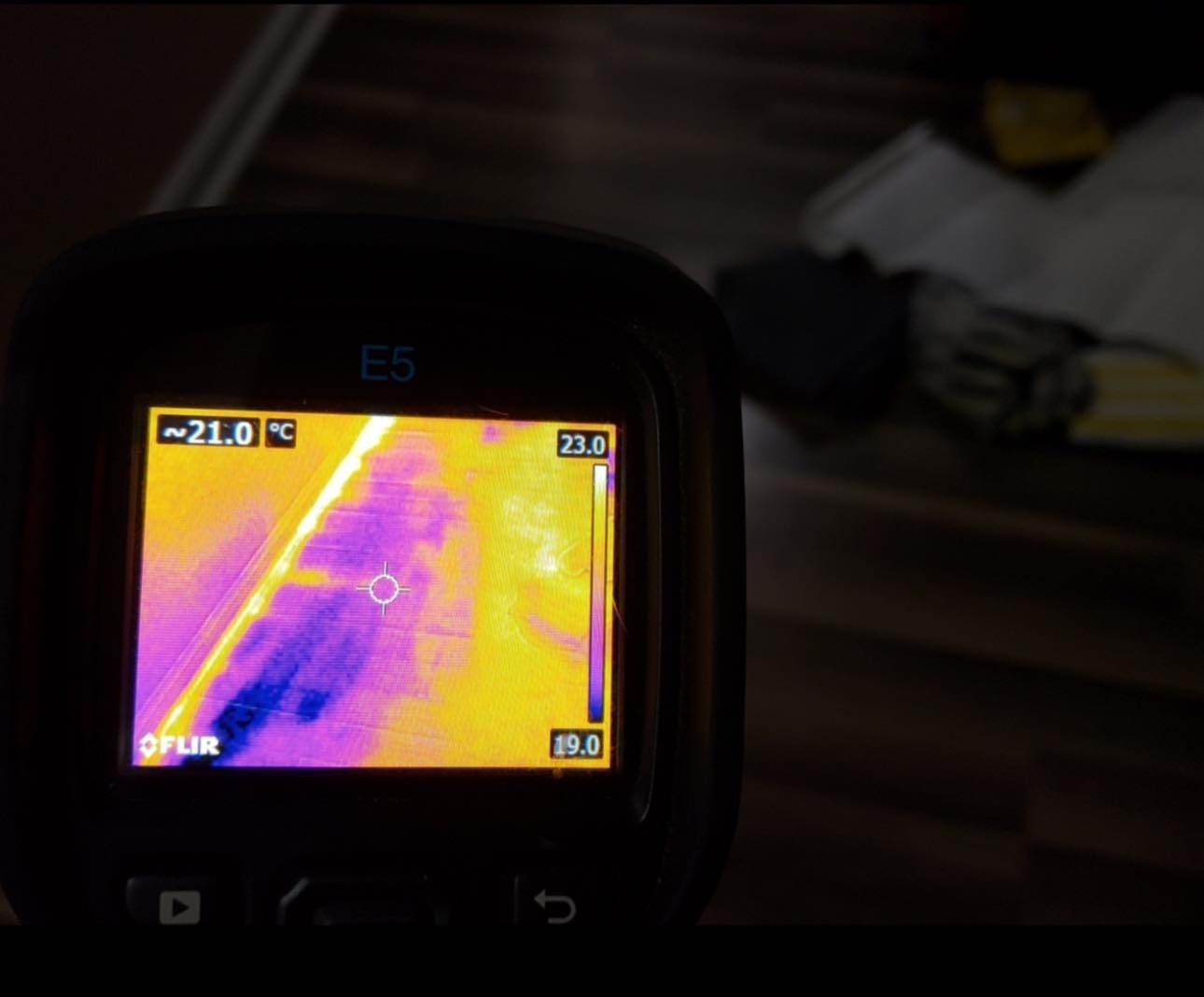
If water keeps coming in, we fix that first. We install drains or a sump pump and grade the ground so water flows away, not under your home. This stops the wet cycle at the source.
We line the floor and walls with a thick, durable vapor barrier. The seams are overlapped and sealed tight. This locks out ground moisture so it can't rise into your floors, air, and wood framing.
We set a crawl space dehumidifier to hold humidity at a safe level year-round. Then we recheck the readings to confirm the space is dry. The result is cleaner air upstairs, lower energy bills, and a home built to last.
Rain, bad drainage, and a leaky vapor barrier let water pool under your home. Wet soil keeps the whole crawl space humid. We pump out the water, fix the drainage, and seal the floor so it stays dry.
Damp, warm air feeds mold and slowly rots wood beams. You may smell a musty odor in the rooms above before you ever see it. We treat mold, dry the space, and add a dehumidifier to keep moisture in check.
When beams stay wet and rot, your floors can sag, bounce, or feel uneven. Damp crawl spaces also draw in bugs and rodents. We support weak floors, seal the space tight, and shut pests out for good.
Why this matters: These problems feed off each other — water leads to humidity, humidity leads to mold and rot, and rot leads to sagging floors. Full encapsulation and a dehumidifier stop the cycle at the source, so your home stays drier, healthier, and more comfortable for years. Ask about our free crawl space inspection.
| Others | CPR | |
|---|---|---|
| Remove standing water and debris | ||
| Treat existing mold and wood rot | ||
| Heavy-duty sealed vapor barrier on floor and walls | ||
| Dehumidifier sized for your crawl space | ||
| Fix drainage and water entry points | ||
| Support and reinforce sagging floors | ||
| IICRC certified, trained technicians | ||
| Licensed in SC and NC |
This team was very professional and did a thorough job with water removal from our house. Got the job done and done well. They are the very best!
Zach came over to my house to repair all damage better than new. He was prompt, clean, and professional. I highly recommend them!
The crew was professional and on top of everything. I was really happy that they worked with my insurance company, and everything was handled with ease.
Plain answers to the questions homeowners ask most about sealing, drying, and protecting a crawl space.
Encapsulation means we seal off your crawl space from outside air and ground moisture. We line the floor and walls with a heavy plastic vapor barrier, seal the seams, and close the vents. Then we add a dehumidifier to keep the air dry. The result is a clean, dry space that protects the wood, the air, and the floors above it. Think of it like wrapping your crawl space in a sealed liner.
Look for warning signs you can spot from inside the home. Musty smells, damp air, and floors that feel cold or bouncy are common clues. In the crawl space itself you may see standing water, wet insulation hanging down, rusty pipes, or dark mold on the wood. More pests like spiders and bugs can also point to high moisture. If you notice any of these, it is worth a free inspection.
A vapor barrier is a thick plastic sheet that covers the dirt floor and walls of your crawl space. Bare soil lets ground moisture rise up into the air, the wood, and the insulation all day long. The barrier blocks that moisture before it can cause rot or mold. A thin builder-grade sheet is not enough. We use a heavy, tough liner and seal every seam so water vapor cannot sneak through.
In most cases, yes. Sealing the space stops new moisture from coming in, but a dehumidifier keeps the air dry over time. It holds humidity at a safe level so mold and wood rot cannot start again. We size the unit to your crawl space and set it to run on its own. It is a key part of a fix that lasts, not just a quick patch.
Yes. Up to half of the air you breathe upstairs first rises from the crawl space. If that air is damp and full of mold spores, it carries the musty smell right into your living space. By sealing and drying the crawl space, we clean up the air at its source. Most homeowners notice fresher air and less of that damp basement smell within a few weeks.
Yes. Long-term moisture is what feeds mold and rot, so we treat both as part of the job. We remove standing water, clean and treat moldy wood, and check the beams and joists for damage. If a support has rotted or the floor sags, we can add new support to firm it up. Then we seal and dry the space so the problem does not come back. For a deeper mold issue, see our mold removal page.
A quick cleanup pumps out the water and maybe lays a thin sheet of plastic. It looks better for a while, but the moisture comes right back because nothing changed. Full encapsulation fixes the cause: we seal the space, control the humidity, and fix drainage so water stays out for good. It costs more up front but saves you from repeat repairs. If outside water keeps getting in, our waterproofing work can help too.
We are BBB accredited and licensed in SC and NC. Ask about free inspections and financing.
Keep water out of your basement and foundation, too.
Learn more →Standing water below? We pump it out and dry it.
Learn more →Damp crawl spaces breed mold. We remove it and seal the space.
Learn more →A bigger water problem in the home? We restore it end to end.
Learn more →Locally owned and Fort Mill based. 24/7 emergency response across the Carolinas metro.